

A pollinator garden rarely fails because someone chose the wrong flower. It fails because everything blooms in June. Bees, butterflies and hummingbirds move through the season in waves, and a bed that hums in May can be silent by August. What you need is not a longer plant list but a calendar: something blooming in every stretch from the first warm days to the last asters.
Here is a month-by-month guide to planting and tending a native garden that keeps feeding pollinators across the whole growing season.
Read Your Frost Dates, Not Just the Calendar
The months below follow temperate North America, which means a gardener in Georgia and one in Minnesota are working roughly six weeks apart. Anchor everything to your local average last frost date and shift by two to four weeks in either direction. A county extension office or state native plant society can give you both the frost date and the species that are genuinely native to your region — the second part matters more than most gardeners expect, since a plant sold as "pollinator-friendly" may belong to a different part of the country entirely.
Late Winter: February and March
Dormant-season planting is the quiet work. Bare-root shrubs and small trees go into the ground now, while they are still asleep: serviceberry, spicebush, winterberry, ninebark, elderberry, red osier dogwood. These give the garden its woody backbone — early pollen from serviceberry, berries for birds much later.
Hold off on cutting back last year's stems. Many native bees overwinter inside hollow stalks, and bumblebee queens sleep in the leaf litter at the base of plants. Wait until you have had a week of days reliably in the 50s. If tidy edges matter to you, cut a third of the stems and leave the rest standing.
Early to Mid Spring: April and May
Once the soil is workable but no longer soggy, container-grown perennials can go in. Choose the early bloomers that carry pollinators through the gap before summer: wild columbine, wild geranium, Virginia bluebells, woodland phlox, creeping phlox, beardtongue. A serviceberry or redbud flowering at the same time gives bees a dependable early meal.
New plants need water — roughly an inch a week through their first season, more in sandy soil. After that, most established natives only need a hand during genuine drought.
Late Spring into Early Summer: May and June
This is when the garden starts to earn its keep. Milkweeds go in as monarchs move north: butterfly weed for dry, sunny spots; swamp milkweed for rain gardens and heavier soil; common milkweed if you have room to let it wander. Pair them with wild bergamot, baptisia, lupine and penstemon.
Hummingbirds arrive hungry. Coral honeysuckle, native salvia and penstemon are the plants they come back to. Set plants in drifts of three to five of the same species rather than one of everything — pollinators find a mass of color far faster than a scattered specimen.
Midsummer: July and August
The June flush fades, and this is where most gardens go quiet. Fill the gap deliberately. Joe-Pye weed, blazing star, mountain mint, anise hyssop, Mexican hat and purple coneflower all hold bloom through the heat, and mountain mint will be covered in bees and wasps of every size — they are there for the nectar, not for you, so leave them be.
For hummingbirds, cardinal flower is the midsummer anchor; give it moisture and it will bloom into September. Buttonbush, if you have space near a downspout or pond edge, is a bee magnet with its white summer pincushions.
Late Summer into Fall: September and October
Asters and goldenrod carry more pollinator traffic than almost anything else in the garden, and they arrive exactly when monarchs need fuel and native bees are stocking up for winter. New England aster, aromatic aster, smooth blue aster and blue-stemmed goldenrod are all worth the space. Sneezeweed and late coneflowers stretch the show further.
Fall is also the best planting window in much of the country. Soil is still warm, rain returns, and roots settle in before hard frost. Plant perennials and shrubs now, and sow native seed outdoors — many species need months of cold, moist conditions before they will germinate, so a fall sowing does the work for you.
Winter: November through January
Put the tools down and plan. Walk the garden with a notebook and mark where the bloom gaps were; most people find a dead stretch in late July or early September. Order seed and bare-root stock in January for the species that will fix it.
Winter sowing is the low-effort route for native seed: sow into translucent plastic jugs with drainage holes, leave them outside through the freeze-thaw cycle, and transplant the seedlings in spring. Leave the leaves in the beds too. Raking them clean removes the overwintering habitat that next year's butterflies and bumblebee queens depend on.
Four Habits That Hold the Schedule Together
Planting dates are only half the story. These habits make the difference between a garden that works and one that merely looks good in May.
- Aim for overlap, not perfection. Two species in bloom at any point between April and October is a better goal than a flawless June.
- Choose single flowers. Double-flowered cultivars often carry little or no pollen and nectar. Straight species and named natives attract more.
- Skip insecticides. Even products marketed as organic can harm bees and caterpillars. If a plant is struggling, remove it rather than spraying the whole garden.
- Add water and a sunning spot. A shallow dish with pebbles and a flat stone give pollinators something to drink and a place to warm up in the morning.
If you do use any pesticide, read the label completely and follow it exactly. Timing and application matter as much as the product, and the directions exist for a reason.
A pollinator garden in late September looks untidy: stems standing, seed heads browned, leaves thick under the shrubs. That is not neglect. That is habitat doing its job, and next spring it pays you back in bees.
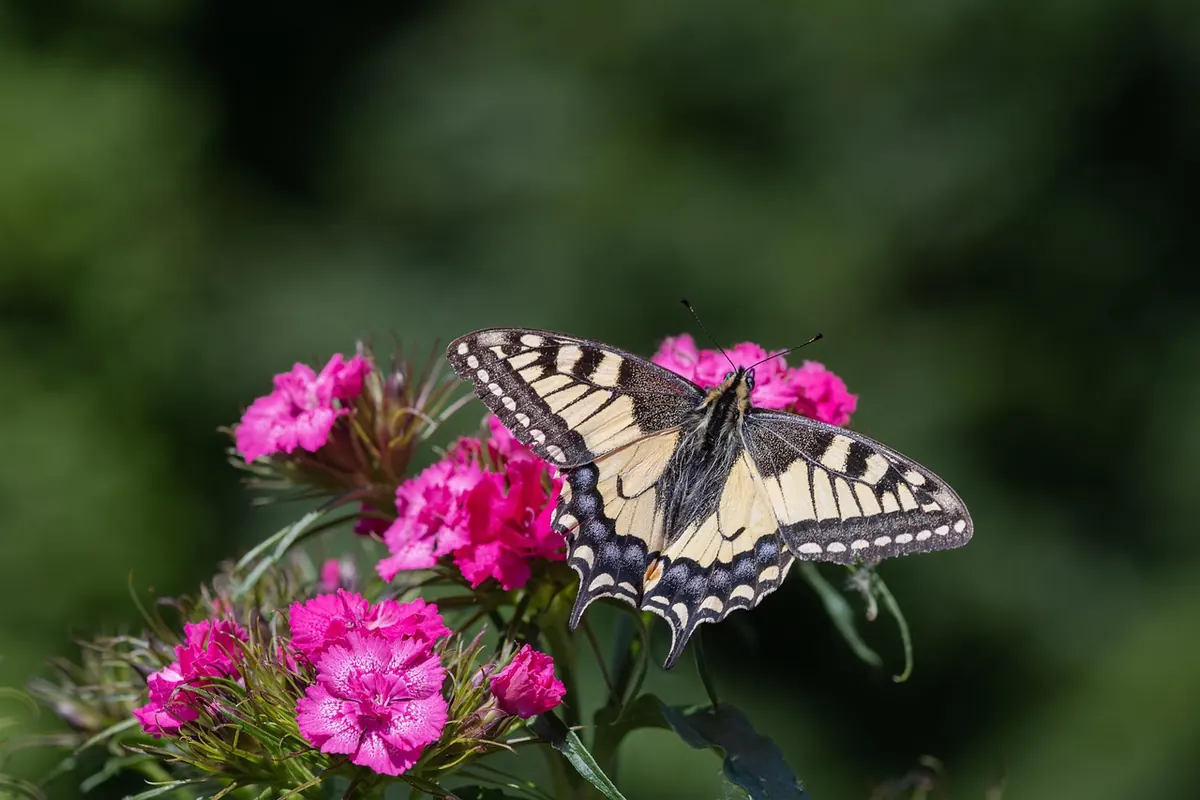
Photo: Gruendercoach / Pixabay
Related posts
More stories you’ll love reading